
The Garden State’s wine industry is as impactful as it is robust, with almost 90 wine producers across some 1,000 acres of vineyards, and generating close to $5.6 billion in total economic activity, according to the 2025 New Jersey Economic Impact Study from wineamerica.org.
Earlier this year, the wine industry saw the passage of Bill A5258 with the help of advocacy from the Garden State Wine Growers Association, a nonprofit organization that represents all NJ-licensed wineries to help them navigate state regulations and boost consumer awareness. The bill “clarified and expanded the ability of wineries to sell wine by the glass for on-premise consumption at winery-operated outlets. This allows wineries to offer customers more options and makes operating an outlet more financially feasible,” said Dustin Tarpine, Garden State Wine Growers Association Chair of the Board and the owner of Cedar Rose Vineyards and VineTech.
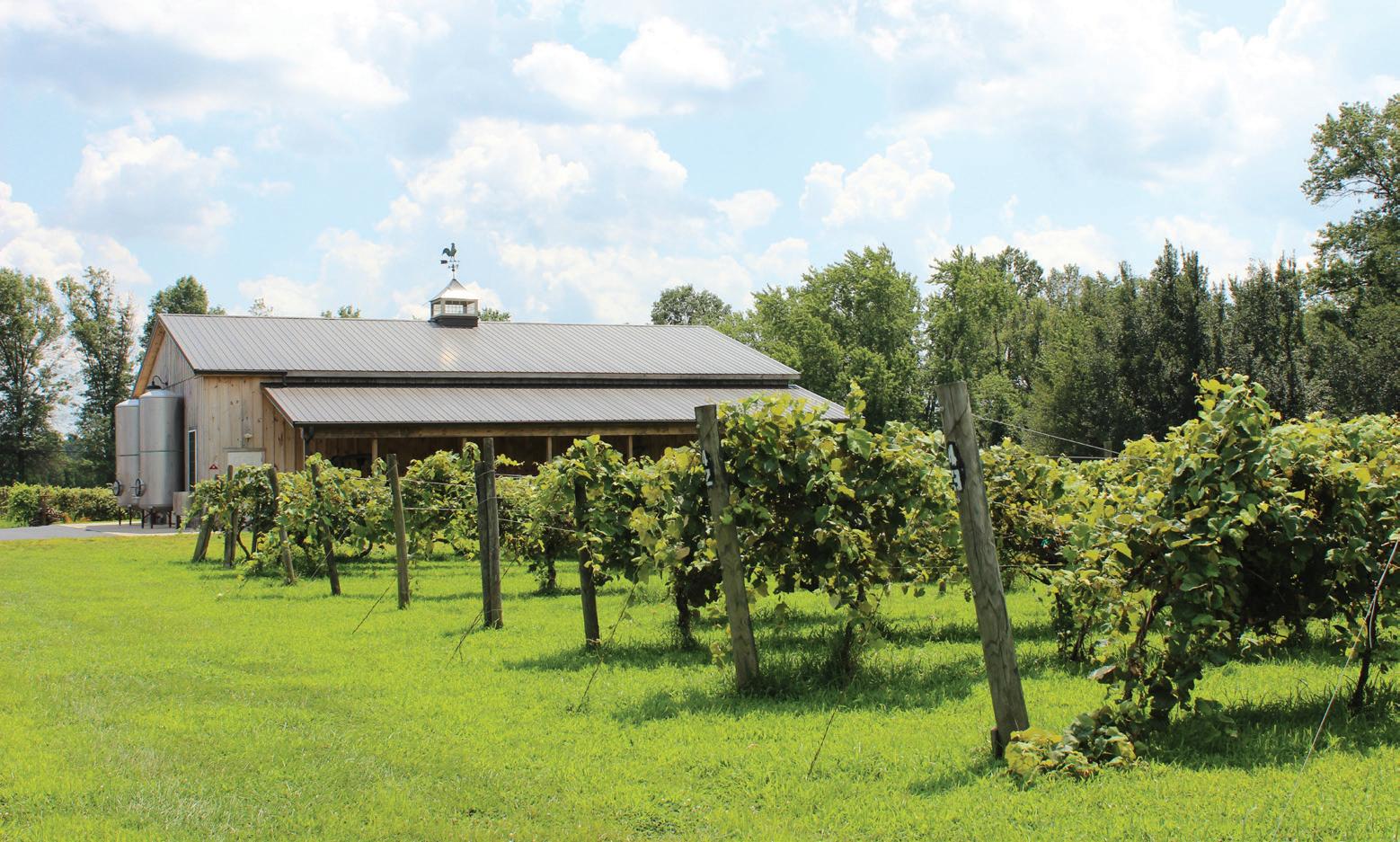
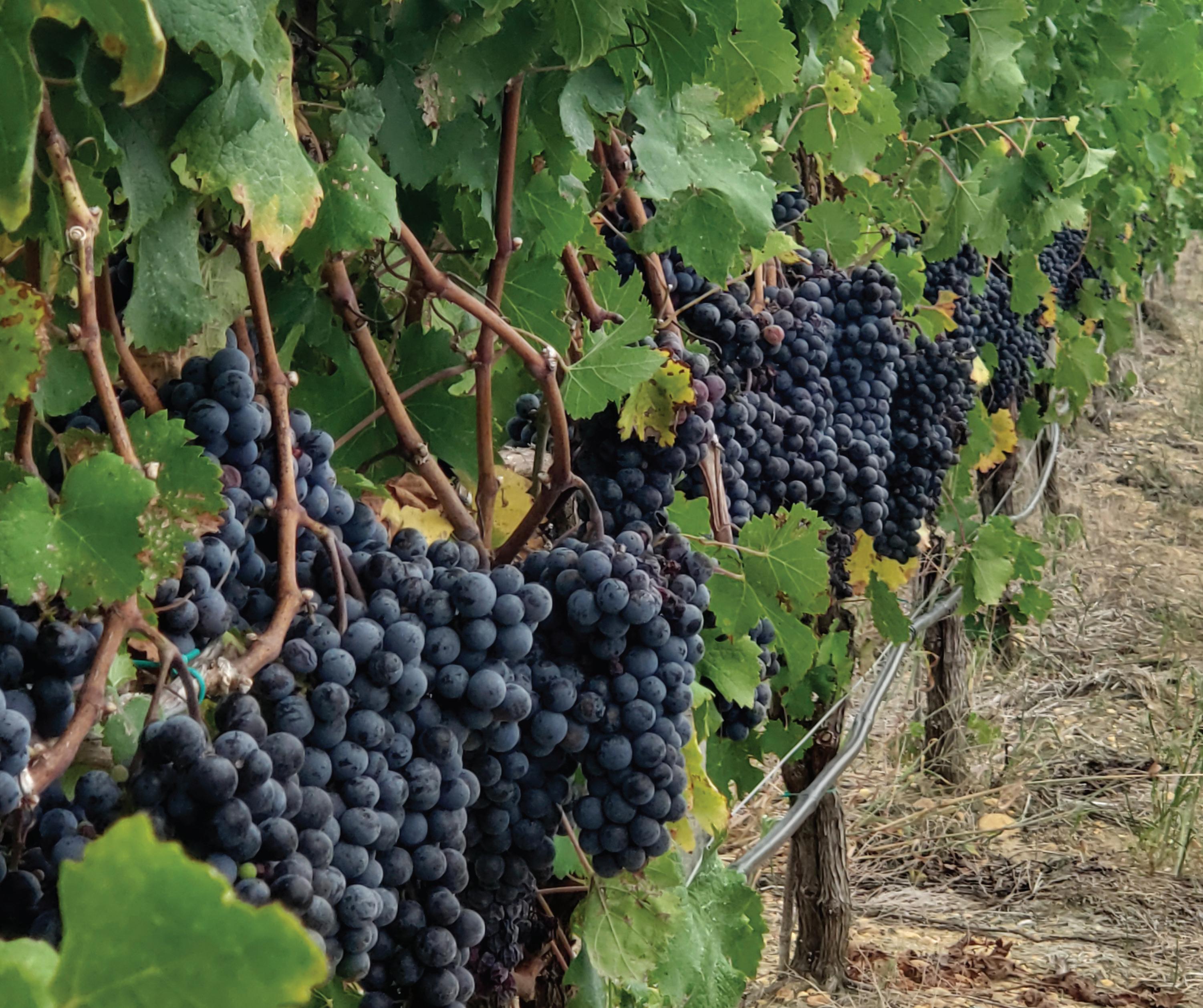
Two million gallons of wine are produced annually in New Jersey, according to the Garden State Wine Growers. In New Jersey alone, vineyards cover the gamut of grape varieties, including cabernet franc, cabernet sauvignon, albariño, chambourcin, chardonnay, and more.
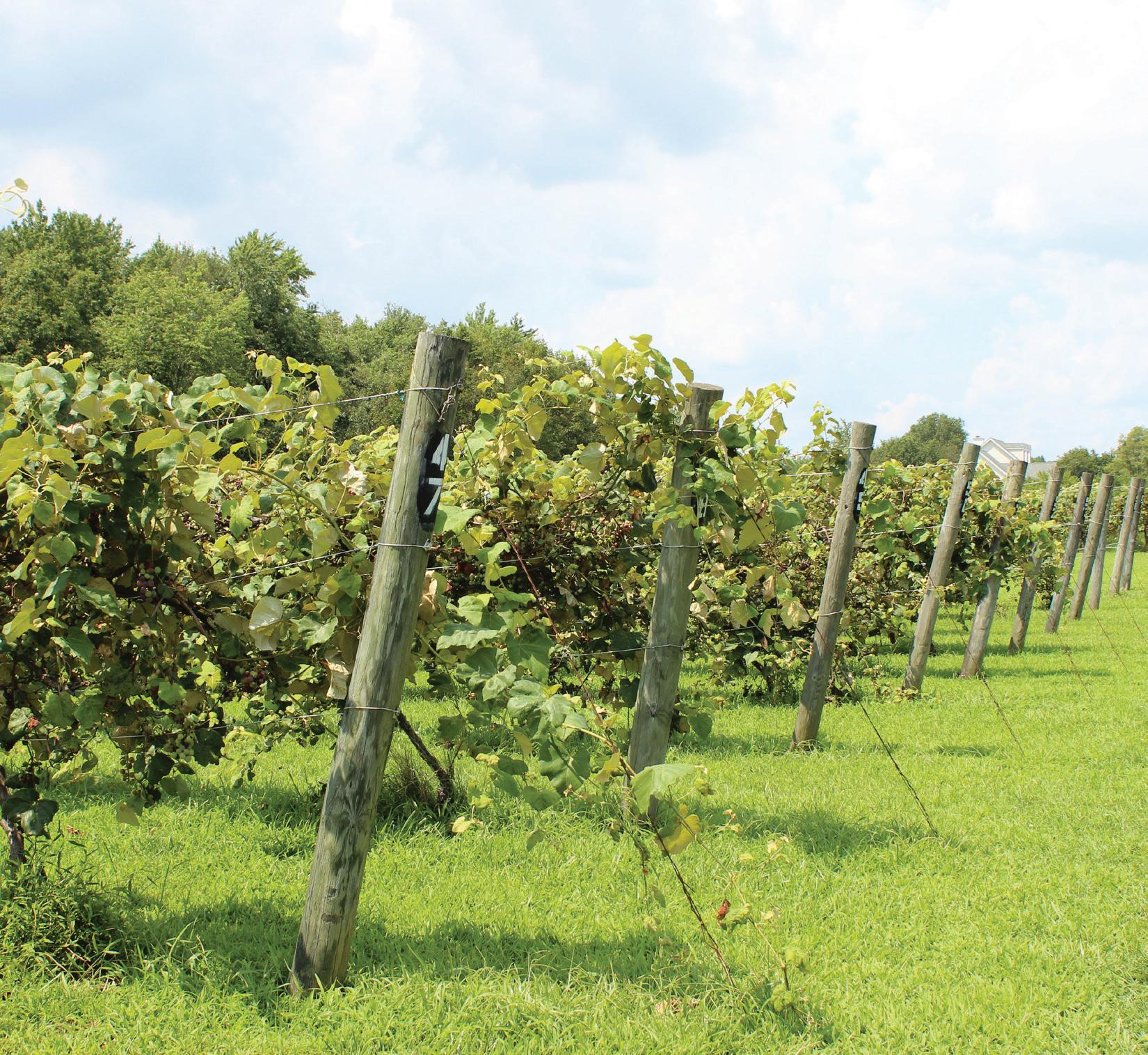
“New Jersey occupies a climatic sweet spot similar to Europe’s famous maritime wine regions. Bordered by the Atlantic Ocean and the Delaware Bay, the state benefits from a moderating effect that prevents extreme temperature swings. This constant airflow is vital for drying the vine canopy and reducing the risk of moisture-related diseases,” said Tarpine. “Success in the vineyard depends on well-drained soil to prevent root rot. In southern New Jersey, this is provided by sandy loam and gravelly soils. In the north, vineyards are characterized by a complex mosaic of shale, slate, and glacial till. These elevated, sloped sites are essential for air drainage, allowing cold air to settle in lower basins and protecting the vines from frost damage.”
New Jersey’s climate and varying elevations are conducive to different varieties of fine wines and blends too, with some exclusively found in the Garden State, like Terhune Orchards apple wine, made with their prized apple cider, and others like Renault Winery’s Champagne, are more commonly found across waters due to its origination from Champagne, France, but made here in New Jersey too.
“New Jersey can definitely be a challenging place to grow grapes. We have a lot of humidity, and humidity can breed disease, which can make it more challenging. Harvest season is August through October, which aligns with hurricane season, so if we happen to get a big storm coming through, that can also make it very challenging,” said Julie Pierrie, Saddlehill Winery Director of Wine Operations & Sales. “I think you see a lot of vintage variation in New Jersey, and for the most part, the wine is always good. Some years we have amazing years when we didn’t get the rain, and it wasn’t that humid. We had beautiful sun, bright, sunshiny days, got really good ripeness. Then, there might be other years where it was a bit wet, it wasn’t as great.”
As Director of Wine Operations, Pierrie forecasts the winery’s needs, manages the production side of bottling the wine, and oversees the winemaking process.
Historically, wine in New Jersey hasn’t had the best reputation, according to Pierrie, but the industry has improved over the years. Fast forward to today, and New Jersey is attracting a lot of talent from around the world.
“We’re attracting a lot of really good talent to the region now, which is just going to rise the tide on all of the New Jersey wineries,” said Pierrie.
According to Rutgers University New Jersey Agricultural Experiment Station, New Jersey boasts three designated American Viticulture Areas despite its small size, including Warren Hills, Central Delaware Valley, and the largest in the Garden State, Outer Coastal Plain.
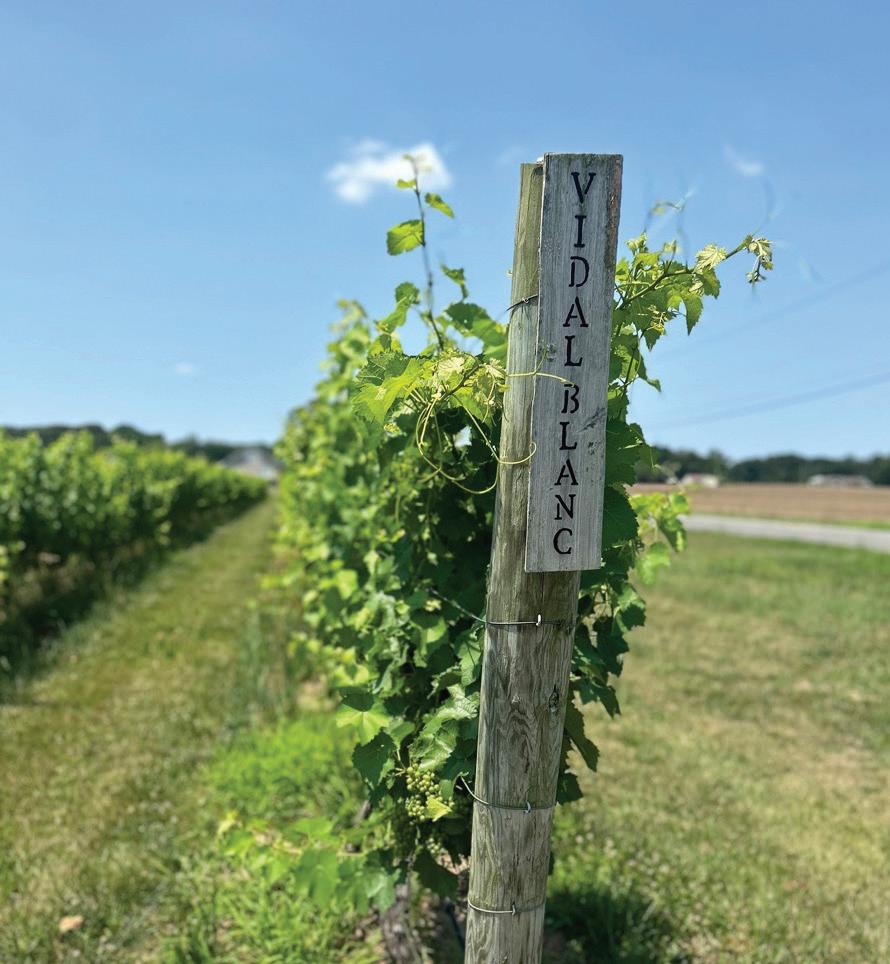
Bordeaux grapes are common in the Outer Coastal Plain, according to Pierrie, yielding a prevalence of chardonnay and sauvignon blanc, while Riesling is more commonly found in the Warren Hills area because of its higher elevation. Burlington County has the ‘most suitable’ acreage for wine growing, according to Rutgers, at 156,020 acres, followed by Cumberland County at 131,853 acres, Ocean County at 119,531 acres, and Atlantic County at 102,340 acres.
“Every vineyard is different. Some growers love Italy and Italian wine, so they’ll plant Italian varieties,” said Pierrie. “The interesting thing about this winemaking region is we’re so young in comparison to other wine regions. Europe, they’ve got 1,000 years on us, so I think we’re still learning what varieties work best here and what varieties grow best here. Give us a couple of hundred years.”
In the next century, the wine industry hopes to gain more traction amongst residents and visitors alike.
“The goal for the next 100 years, continuing to get more people to taste and see that we have quality wine here,” said Pierrie.
New Jersey Wineries to Visit
Beneduce Vinyards
Pittstown
For four generations, the Beneduce family has farmed New Jersey’s lands. In the early days, making homemade wine was a family tradition for their own enjoyment, and now, owner Mike Beneduce works day in and day out to put New Jersey wine on the map. 100% of Beneduce’s grapes are grown right in Hunterdon County, making use of every slope and soil for different grape varieties. They even go the extra mile, fertilizing their vines with only their own leftover grape skins and stems.
Cape May Winery & Vineyard
Cape May
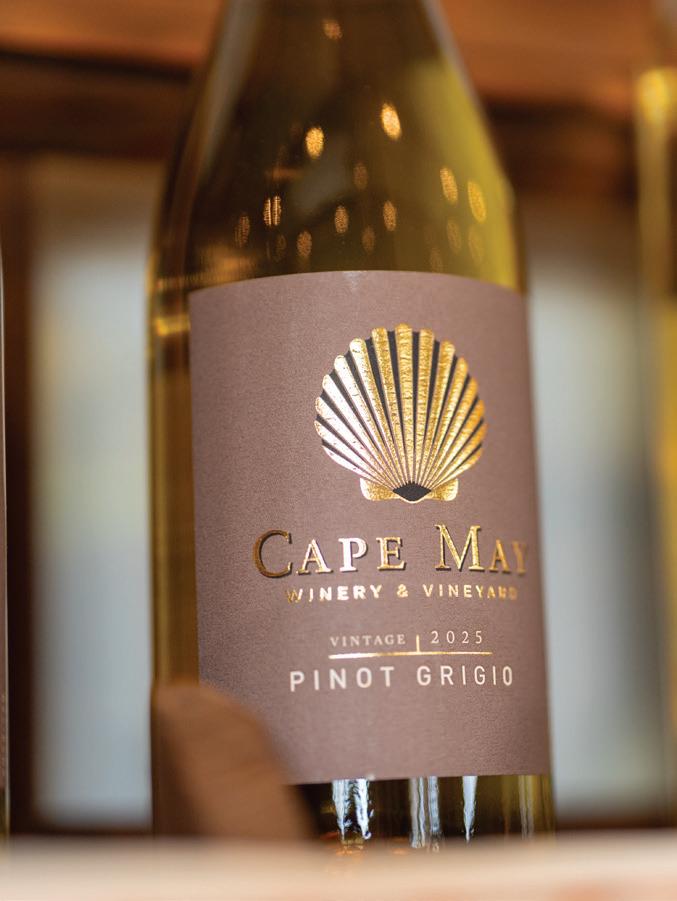
Originally founded in collaboration with Rutgers Co-op, the winery released its first bottle in 1996, and the five grape types used as a test plot are still used to make wine today. Since then, each year, this coastal winery harvests 12 varietals across its 26 acres of vineyards from Chardonnay to Riesling to Vidal Blanc. Its unique location between the Atlantic Ocean and the Delaware Bay provides the grapes ample time to ripen because southern currants kickstart the growing season, and the sea breeze keeps the vines clean all year long. The land is also conducive to growing tomatoes, beach plums, squash, and kale, which you’ll seasonally find available on their tapas menu.
Cedar Rose Vineyards
Millville
Owners of Cedar Rose Vinyards began brainstorming the future of New Jersey wine before even planting a vine. After clearing tree by tree on the owner’s mother’s 1.25 acres with the help from his brother and friend, and a lot of sweat in between, they went on to plant vines of Cabernet Franc and Blaufränkisch. The group expanded the vineyard to 20 acres, just one year after they planted their first vines. Today, Cedar Rose goes beyond wine with special events and a wine and dine series, where they serve seasonal pairings to excite your taste buds.
Laurita Winery
New Egypt
Known for its food truck event series, dance parties, food-making classes, and, oh yeah, their wine, Laurita Winery is dedicated to the owners’ moms, and the name is derived from their names, Laura and Rita. Located in the heart of Plumsted Township in New Egypt, Laurita Winery harvested and bottled its first crop of Merlot and Chardonnay in 2003. Beyond their sought-after events, preservation and conservation are at the core of the business. The Laurita Winery building was originally two 150-yearold barns. The winery utilizes solar energy, and the landscape around the winery promotes water retention and conservation. Today, the winery produces 14,000-16,000 cases of wine exclusive to the winery.
Old York Cellars
Ringoes
Could Hunterdon County be the new wine country? With stunning views of the Sourland Mountains, Old York Cellars curates guided wine tastings, self-guided flights, and signature pairings with three, five, and 14-course menus. Sip wine and experience all Hunterdon County has to offer aboard the Hunterdon County Wine Express, laugh and sip at their wine and comedy nights, or stop by their wine bar in Flemington for a unique wine and chocolate tasting.
Renault Winery
Egg Harbor City
Renault Winery has a deep-rooted history dating back to 1864. Founder Louis Nicholas Renault emigrated from the Champagne region of France, and due to his origins and continuous use of the name “Champagne,” Renault Winery is one of the few in the county with the ability to call their sparkling wine Champagne, after France’s campaign to protect the name. 100 years after its founding, Renault Champagne became the largest producer in America and was even toasted at John F. Kennedy’s inauguration, according to the winery. By the late 2010s, VIVÂMEE Hospitality acquired the property and has since revitalized the winery into a French-inspired resort.
Saddlehill Winery & Farmhouse Kitchen
Voorhees
Amy and Bill Green transformed the home of the Stafford family and farm during the Revolutionary War era into an agricultural destination. Beyond the vineyard and wine making, which officially opened its doors in 2024 for tastings, Saddlehill has a restaurant, alpacas, chickens, honey, a full calendar of events and classes, and a nonprofit organization, The Saddlehill Foundation, which aims to bring farm life to those with special needs.
“Our owner, Bill Green, is a really energetic entrepreneur, and he’s really been the driving force behind Saddlehill. It’s such a beautiful piece of property, and he’s really had a great vision to try to make it as useful to the community and really utilize the land in the best possible way,” said Pierrie.
“It’s a nice space where people can come and enjoy beautiful scenes of the vineyard and see the horses running around the pasture, and have a little bit of that escape.”
Terhune Orchards Vineyard & Winery
Princeton
More than an apple orchard and making more than just apple cider donuts, Terhune Orchards Vineyard & Winery has been harvesting grapes since 2009. Today’s menu features varieties of dry and off-dry white wines, fruit wines made with the orchard’s iconic apple cider, and more.
Valenzano Family Winery
Shamong
From Chardonnay to Jersey Devil Chocolate Port, Valenzano Family Winery has made wine in the Garden State since 1996, and you can find their grape creations in more than 750 retail locations around New Jersey.
The 48-acre vineyard is located at the epicenter of the Pine Barrens and is known for its Shamong varieties, such as Shamong Red Reserve, a three-time “Best American Varietal” winner at the New Jersey Wine Competition, and Cabernet Merlot, a gold medal “Best Blend” winner by NJ Monthly Magazine.
William Heritage Winery
Mullica Hill
After seeing the potential growth of the wine industry in New Jersey, Bill and Penni Heritage began converting their 150 acres of peach and apple orchards into vineyards in 1999. As fifth-generation farmers, the Heritage family knew that deep care for the land is one sure-fire way to produce high-quality grapes and make great wine. Family traditions continue with Bill and Penni’s children, who have taken up roles in sales and vineyard management.
Willow Creek Winery & Farm
West Cape May
Just a short trip from Washington Street Mall is the Willow Creek Winery, known for its wine and charcuterie pairings and the Willow Whip Float, a wine-infused soft serve over sangria. This southern shore region closely resembles that of Bordeaux, filled with warm days and cool nights, which lends Willow Creek the ability to craft wines known in France, such as sauvignon blanc, merlot, cabernet sauvignon, and more.
New Jersey Wine
New Jersey is recognized for its success in many grape varieties.
*Courtesy of Dustin Tarpine, Garden State Wine Growers Association Chair of the Board and the owner of Cedar Rose Vineyards and VineTech.
Cabernet Franc:
The most prominent red vinifera, valued for its balance and ability to ripen consistently.
Cabernet Sauvignon:
Thrives in the warmer southern microclimates and well-drained soils.
Albariño:
A white variety gaining popularity for its crisp acidity and maritime compatibility.
Chambourcin:
A highly productive FrenchAmerican hybrid that serves as the foundation for many regional blends.
Chardonnay:
The primary white variety, produced in both oaked and unoaked styles across all regions.
Additionally, more than 90 different grape varieties are grown in the Garden State.
New Jersey Wine Regions
*Courtesy of Dustin Tarpine, Garden State Wine Growers Association Chair of the Board and the owner of Cedar Rose Vineyards and VineTech.
WARREN HILLS (NORTHWEST)
Notable Varieties
Red: Pinot Noir, Cabernet Franc, Blaufränkisch, Léon Millot, and Noiret
White: Riesling, Chardonnay, Seyval Blanc, Cayuga, and Traminette
Soil & Climate Profile:
A complex mosaic of shale, slate, and glacial till. Higher elevations and cooler nights preserve acidity and aromatics in the wine.
CENTRAL DELAWARE VALLEY (WEST CENTRAL)
Notable Varieties
Red: Cabernet Sauvignon, Chambourcin, Pinot Noir, and Barbera
White: Chardonnay, Riesling, Vidal Blanc, and Delaware
Soil & Climate Profile:
Silt loam over a limestone base with shale and sandstone. A smaller, historic region where river-influenced microclimates support a mix of vinifera and native grapes.
OUTER COASTAL PLAIN (SOUTH/CENTRAL)
Notable Varieties
Red: Cabernet Franc, Merlot, Cabernet Sauvignon, Syrah, Chambourcin, Petit Verdot, Malbec, and San Marco
White: Chardonnay, Albariño, Sauvignon Blanc, Petit Manseng, and Viognier
Soil & Climate Profile:
Sandy loam and gravelly soils. This is the state’s warmest region with the longest growing season, ideal for ripening big reds and Bordeaux-style blends.
CAPE MAY PENINSULA (SOUTHERN TIP)
Notable Varieties
Red: Cabernet Sauvignon, Merlot, Barbera, Nebbiolo, Tempranillo, and Sangiovese
White: Albariño, Sauvignon Blanc, Pinot Grigio, and Viognier
Soil & Climate Profile:
Predominantly sandy soils. Surrounded by water on three sides, this area has a very stable maritime climate that wakes the vines up early and protects them from frost.