It’s sometimes hard to believe the Pinelands are a part of New Jersey. In his 1968 book The Pine Barrens, John McPhee wrote as much, “The picture of New Jersey that most people hold in their minds is so different from this one that, considered beside it, the Pine Barrens, as they are called, become as incongruous as they are beautiful.” So no, it doesn’t quite match the common, average picture of New Jersey, which is also a fundamental part of New Jersey’s geography— wilderness hidden in plain sight.
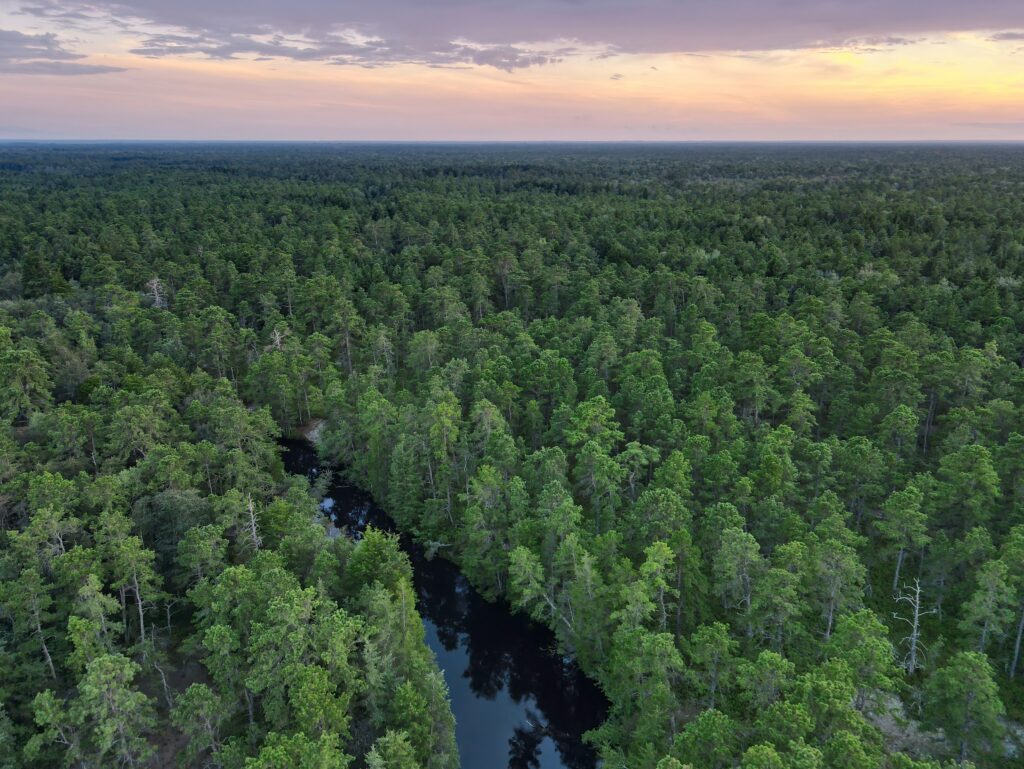
The uninitiated will interchange the Pinelands and the “Pine Barrens” but the locals know the difference, with the Pine Barrens as the term to describe the ecosystem, but the Pinelands as the term to describe 1.1 million acres that is subject to the Pinelands Comprehensive Management Plan. Born out of the National Parks and Recreation Act of 1978 and the following New Jersey Pinelands Protection Act of 1979, the 1.1 million acres is the largest surviving forest on the eastern seaboard, south of the North Woods of Maine, according to the Pinelands Alliance.
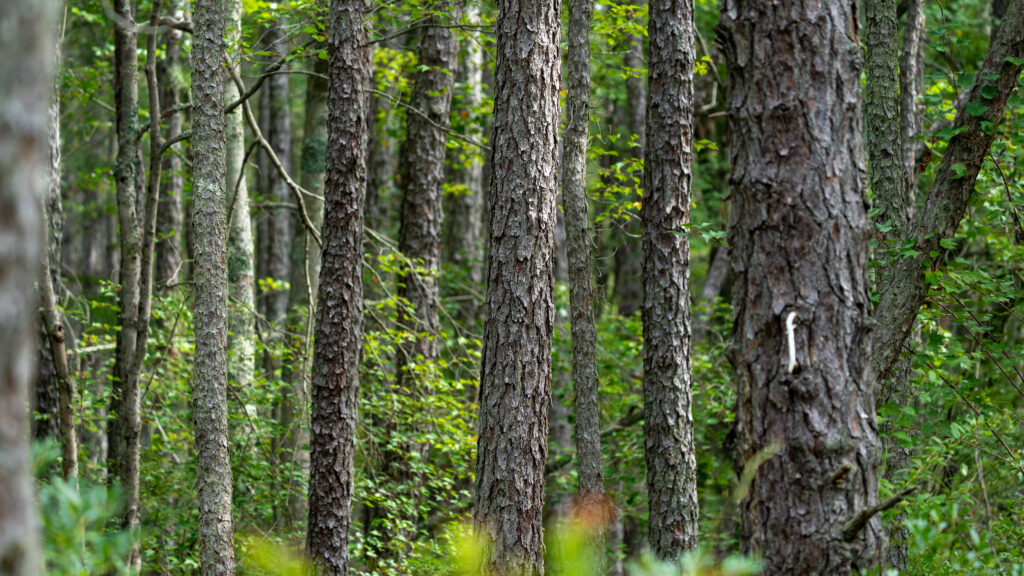
It’s sandy, acidic soil that’s not particularly suited for conventional agriculture, with vast forests of Pygmy Pine Plains, which are dwarfed Pitch Pines and Blackjack Oaks, likely stunted due to a number of converging factors: fires, droughts, nutrient-poor soil, and winds, according to the Pinelands Alliance, which works to protect the natural resources of the New Jersey Pinelands through advocacy, education, and research, while promoting responsible land-use policies and development that works to balance growth with less environmental impact. Tucked within the Pine Barrens is a place that offers a particularly good introduction to what makes this part of New Jersey so special: Franklin Parker Preserve.
“We affectionately refer to Franklin Parker Preserve as the heart of the New Jersey Pine Barrens,” said Bill Lynch of the New Jersey Conservation Foundation, which owns and manages the preserve.
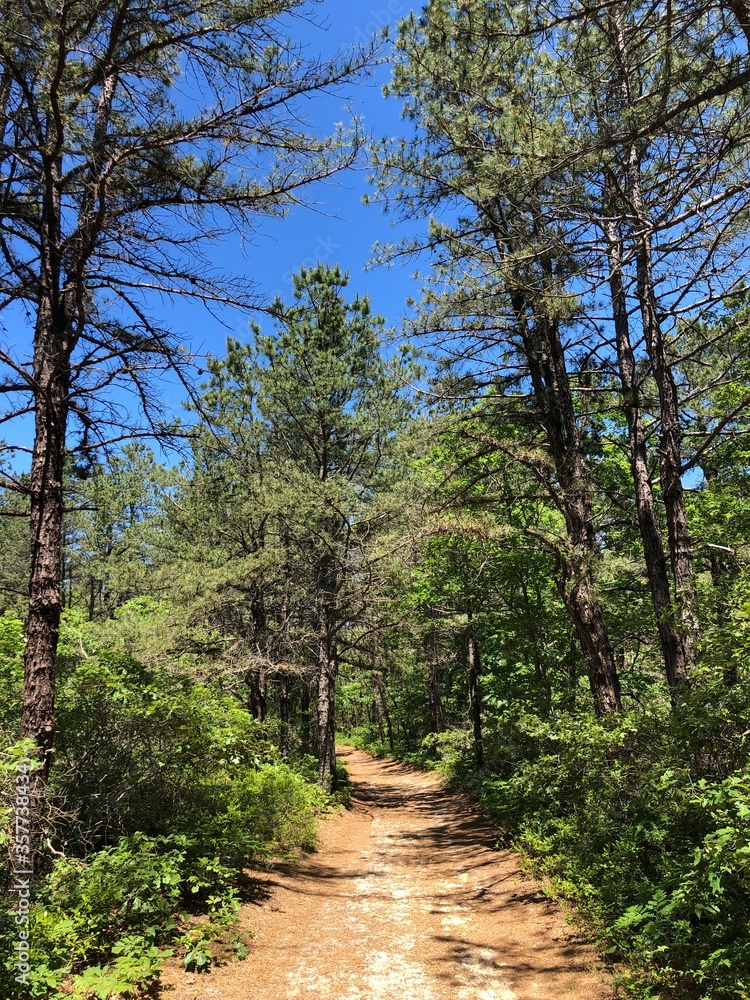
The preserve brings together many of the landscapes that define South Jersey. Pitch pine forests give way to Atlantic white cedar swamps, blueberry fields, and wetlands. Miles of trails allow visitors to explore on foot or by bike, look for wildlife, birds, practice photography, and simply experience a side of New Jersey that feels worlds away from the highways.
Among those trails is one of the Pine Barrens’ most iconic: the Batona Trail, derived from the words “BAck TO NAture.” The roughly 53-mile trail winds through the heart of the Pine Barrens, connecting preserved lands and some of the region’s flagship landscapes. In 2012, a section of the Batona Trail was rerouted through Franklin Parker Preserve, moving hikers deeper into the landscape the trail was created to showcase. Today, nearly seven miles of the trail pass through the preserve.
The preserve sits directly over the Kirkwood-Cohansey Aquifer, an enormous underground water system containing more than 17 trillion gallons of water. The aquifer supplies clean water to hundreds of thousands of New Jersey residents and supports farms that produce food consumed throughout New Jersey and the Northeast.
Its location also makes the preserve an important piece of a much larger conservation puzzle. By connecting other preserved lands, Franklin Parker helps create the continuous habitat threatened and endangered species need to survive in one of the nation’s most densely populated states.
If Lynch could make sure every New Jerseyan knew one thing about the Pinelands, it would be the sheer variety of life found there— from carnivorous plants to endangered frogs and snakes. The landscape may appear quiet at first glance, but it supports an ecosystem unlike almost anywhere else.
NATIVE FLORA OF THE PINELANDS
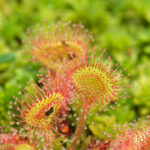
Round-leaf Sundew
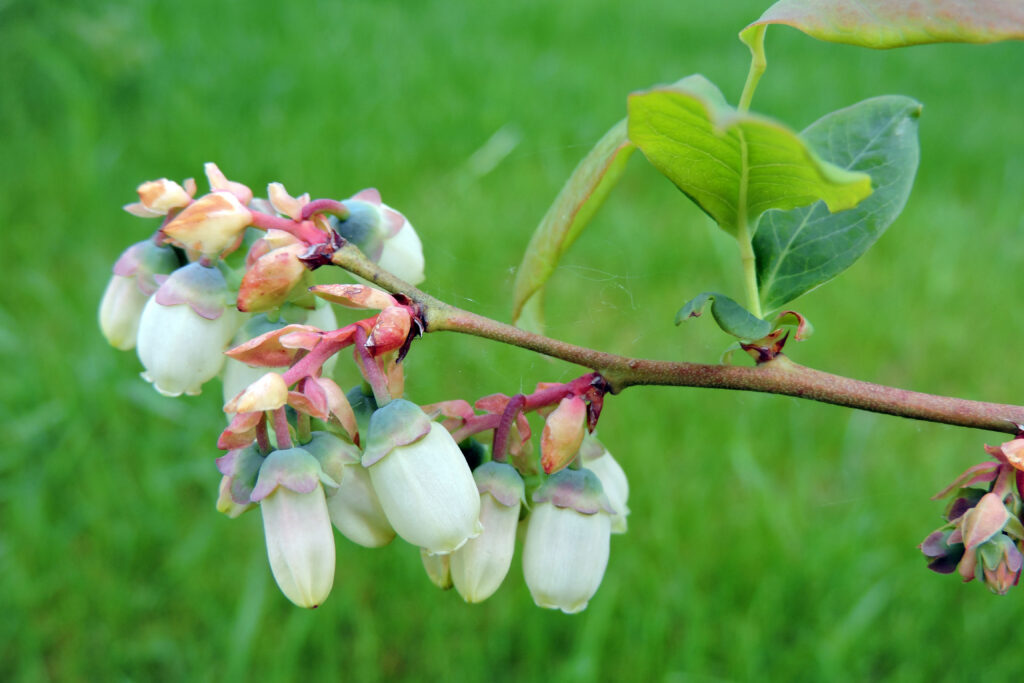
Highbush Blueberry Buds
The Pine Barrens Gentian
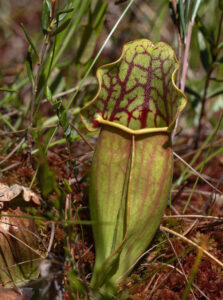
Pitcher Plant
Bog Asphodel
Protecting it is part of the broader mission of the New Jersey Conservation Foundation. The organization manages more than a dozen nature preserves throughout the state while conducting public education and outreach and advocating for land use and climate policies designed to protect New Jersey’s natural resources.
“The Pine Barrens is a resilient place, but is not immune to dangers caused by human-induced climate change and development,” Lynch said. “Thankfully, New Jerseyans have long since seen the value of this place.”