
What's in a name? The Surprising Origins of new jersey town names
By: Lauren Melville
Ever look at a New Jersey map and wonder how places like Ho-Ho-Kus, Cheesequake, or Ong’s Hat got their names? The origins of the Garden State’s town names tell a fascinating story spanning thousands of years. Unpacking Jersey’s municipality names reveals a landscape shaped by indigenous languages, ambitious European settlers, loopholes, and deep-wood legends.
NAMES ROOTED IN NATIVE AMERICAN HERITAGE
Nestled in northeastern New Jersey lies Ho-Ho-Kus—a town with a name as distinctive as its history, complete with two hyphens and three capital letters. Long before its formal founding in 1698, these lands were home to the Lenni-Lenape people. According to the Mahwah Museum, the town’s unique name traces back to Lenape roots like Mehokhokus or Mah-Ho-Ho- Kus, translating to “the red cedar” tree. Another popular translation points to the phrase “cleft in the rock,” reflecting the dramatic local rock formation where the railroad crosses the Ho-Ho-Kus Brook.
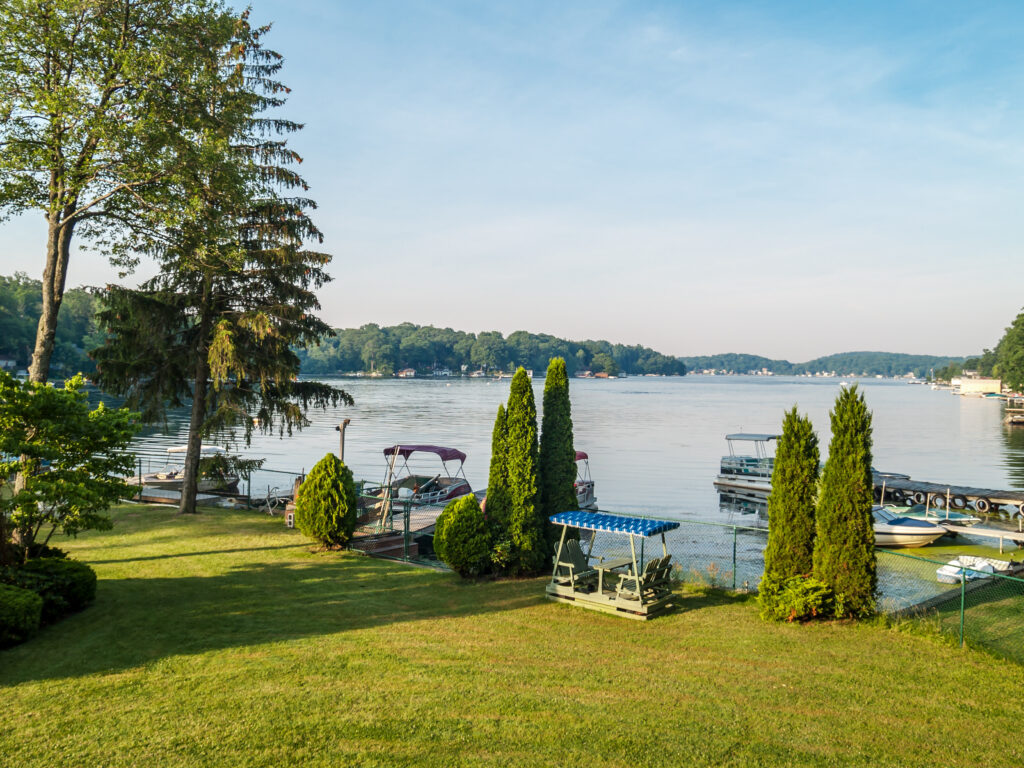
The Lenape’s influence reached far beyond a single brook, spanning across much of the Garden State. Just 40 miles west of Ho-Ho-Kus lies Hopatcong, another community whose identity is deeply rooted in the Lenape language. According to Hopatcong’s official website, the Lenape discovered the peaceful shores of Lake Hopatcong over 12,000 years ago. Today, this vast body of water, stretching across six miles and 2,600 acres, remains the beating heart of the region’s everyday life.
The Lenape language left an indelible mark on the town’s identity. While many attribute the name to the Lenape word “hapakonoesson” meaning “pipestone,” after the minerals lining the lake’s shores, another piece of history says otherwise. According to the New Jersey Skylands Lake Hopatcong History Profile, Ojibwa advocate George Copway set out to debunk the romanticized myth that Hopatcong meant “honey waters of many coves.” Writing in his 1851 journal Copway’s American Indian, he set the record straight, clarifying that the name actually translates to “stone water” or “stone over water.”
BUTTZVILLE
Northwestern New Jersey is full of hidden gems, but few have a name as memorable as Buttzville. Known to many roadside travelers for the iconic Hot Dog Johnny’s along Route 46, Buttzville owes its distinctive name to Michael Robert Buttz, who settled the area in 1839 after purchasing land from a local gristmill owner. According to the White Township Historical Society, before giving Buttzville its name, Buttz wore many hats: schoolteacher, hotel founder, sawmill operator, and local apple and rye distiller.
CHEESEQUAKE
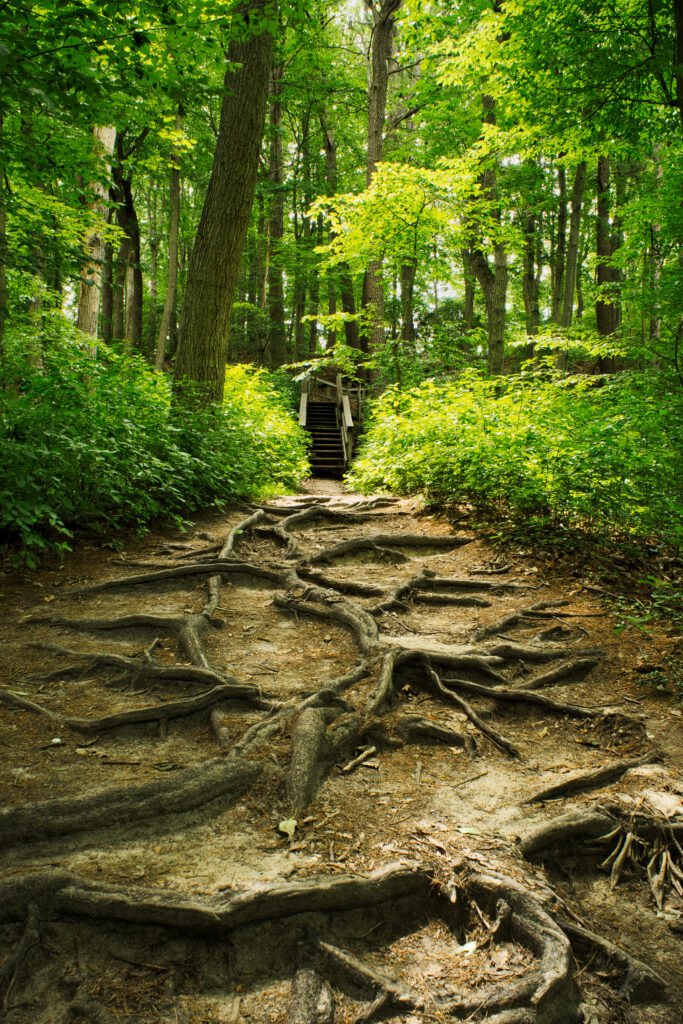
Located inside Old Bridge, the community of Cheesequake derived its memorable name from the Lenape term Chesehoh- ke, meaning “upland village.” Its surrounding environment is just as distinctive as its title. To the south, Cheesequake State Park preserves a remarkable ecological mix: rolling hardwood hills, open fields, and a pocket of the Pine Barrens that seamlessly transitions into rich marshlands along the creek, according to nj.gov.
ONG’S HAT
Ong’s Hat may be a ghost town today, but it holds a legendary place in Pine Barrens history. The area was first developed around 1700 when Jacob Ong, son of English Quaker immigrant Isaac Ong, bought 100 acres for cedar logging. While urban legends attribute the name to a ruined silk hat or a twist on “Ong’s Hut,” historians point to a more grounded explanation. According to pinebarrens.com, tavern keeper Isaac Haines put up a wooden sign featuring a painted hat around 1800, creating a clear visual marker for travelers who couldn’t read the local road signs.
SHIP BOTTOM
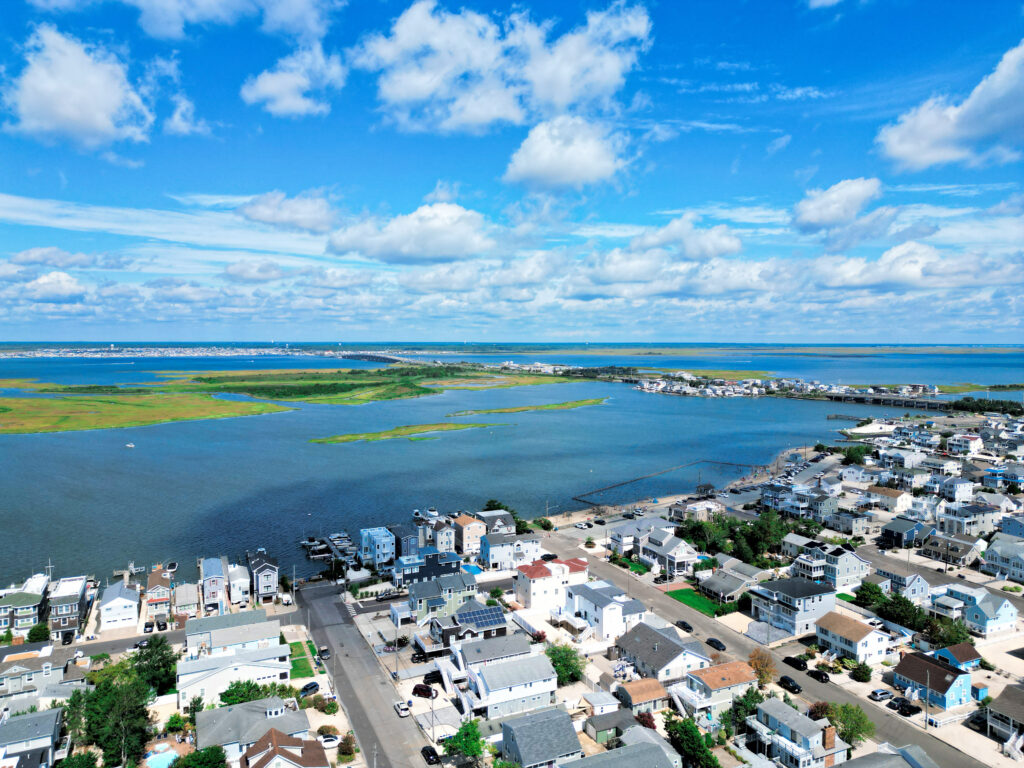
As one of many communities on Long Beach Island, Ship Bottom received its unique name following an 1817 shipwreck off the coast of the island. Rescuers used an axe to chop through the ship’s bottom to retrieve the trapped woman, according to shipbottom.org. The name was officially adopted in 1947.
TAVISTOCK
With only three homes and a population of nine in the 2020 Census, Tavistock is one of New Jersey’s smallest and most unusual boroughs. It broke away from Haddonfield in 1921 for a single purpose: to let residents play Sunday golf at Tavistock Country Club without violating Haddonfield’s strict Sunday Blue Laws, which restrict certain recreational activities on Sundays, according to Tavistock Country Club. As for the name itself, Tavistock takes its name from an English estate belonging to the area’s early settlers.
TIMBUCTOO
Timbuctoo is one of a handful of remaining African American settlements that were founded in the Garden State during the first half of the 19th-century. This unincorporated New Jersey community was first established in 1826 by four formerly enslaved African American men from Maryland, who bought land from a Quaker businessman, according to westhampton.gov. The name Timbuctoo first appeared on the deed in 1830. In the 19thcentury, the community thrived with over 125 residents and featured a school, as well as the Zion Wesleyan Methodist Episcopal African Church and cemetery. “Early 19th-century African American and antislavery publications described Timbuktu in Africa as a great African civilization, a place of commercial wealth and opportunity, and a place where African youth were sent from great distances to further their education,” according to the Timbuctoo Historical Society.